
Understanding the psychology of risk in gambling behaviors
The Nature of Risk in Gambling
Risk-taking is an intrinsic part of human behavior, shaped by various psychological factors. In gambling, this manifests as the willingness to stake money or valuables on uncertain outcomes. The thrill associated with risk stems from the potential for high rewards, which can create a powerful allure. For those interested in exploring options, harrycasinos.org offers an extensive platform for experiencing the excitement of gambling. Gamblers often find themselves drawn to the excitement of potentially winning big, overshadowing the inherent risks involved.
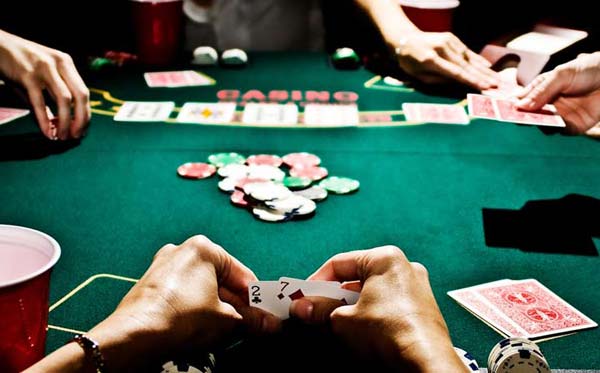
This attraction to risk is compounded by the psychological phenomenon known as the “gambling fallacy,” where individuals believe that past outcomes affect future results. This can lead gamblers to chase losses or overestimate their chances of winning, further entrenching them in risky behaviors. Understanding these psychological mechanisms can help in developing strategies for responsible gambling.
Cognitive Biases and Decision Making
Cognitive biases significantly influence how gamblers perceive risk and make decisions. One notable bias is the illusion of control, where players believe they can influence the outcome of games that are fundamentally based on chance, such as slot machines or roulette. This perception can lead to an increased propensity for gambling, as players feel more confident in their ability to win.
Additionally, the availability heuristic can skew gamblers’ judgment. When players recall their winning experiences more readily than their losses, they might underestimate the risks involved in gambling. This selective memory reinforces risky behaviors and can lead to more frequent gambling, further entrenching cognitive distortions about risk and reward.
Emotional Factors in Gambling Behavior
Emotions play a crucial role in gambling decisions. For many, gambling serves as an escape from stress or negative feelings, leading to impulsive decisions that heighten risk. The rush of adrenaline experienced during gambling can create a temporary high, reinforcing the behavior even when losses occur. This emotional cycle can trap individuals in a pattern of risky gambling, driven by the desire to recreate that initial thrill.
Moreover, the social environment surrounding gambling can amplify these emotional factors. Whether in a casino or online, social interactions can influence a player’s perception of risk. Peer pressure, group dynamics, and shared experiences can lead to heightened risk-taking, as individuals may feel compelled to conform to the behaviors of those around them, often disregarding their own better judgment.
The Role of Environment in Risk Perception
The environment in which gambling occurs greatly impacts risk perception. Casinos and online gambling platforms are designed to create an exhilarating atmosphere, often leading players to underestimate the risks involved. Bright lights, sounds, and the constant availability of games can create an immersive experience that distracts players from potential losses.
Online gambling environments introduce additional factors that can affect risk-taking behavior. The anonymity of playing from home may embolden individuals to take risks they wouldn’t consider in a physical casino. This detachment can lead to increased gambling frequency and higher stakes, as players may feel less accountable for their actions compared to face-to-face interactions.
Exploring Responsible Gaming at Harry Casino
Harry Casino stands out as a premier online gaming platform, designed with the player experience in mind. Understanding the psychology of risk is essential for promoting responsible gaming, and Harry Casino emphasizes this through various measures aimed at protecting its players. The site provides resources and tools for users to manage their gambling habits effectively, ensuring a balanced approach to gaming.
By offering a wide array of games alongside comprehensive support systems, Harry Casino encourages informed decision-making. Players can enjoy a thrilling gaming experience while being mindful of the risks involved, making it a prime choice for those seeking entertainment without compromising safety. This commitment to responsible gaming reflects a deeper understanding of the psychological aspects of risk in gambling behaviors.