
Understanding the Basics of Casino Etiquette
When stepping into a casino, it’s essential to be aware of the basic rules of etiquette. Casinos thrive on an atmosphere of respect and enjoyment, so knowing how to behave is crucial. For instance, maintaining a friendly demeanor not only enhances your experience but also the experiences of those around you. In addition, understanding terms such as instant casino withdrawal time can help you navigate the gaming environment effectively. Greeting fellow players and staff politely can foster an inviting environment where everyone feels comfortable.
Moreover, understanding the game you’re playing is also a key aspect of etiquette. Players should take the time to learn the rules, whether it’s blackjack, poker, or roulette, to avoid slowing down the game for others. If you’re unsure about any specific rule, asking the dealer for clarification is perfectly acceptable; they are there to assist. Additionally, when sitting at a table, it’s courteous to wait for your turn before acting, ensuring everyone has the opportunity to enjoy the game.
Lastly, observing the dress code of a casino can significantly impact the level of respect you receive and show towards others. Many casinos enforce a smart casual or formal dress code, especially in high-stakes areas or during special events. Dressing appropriately not only reflects your respect for the establishment but also enhances your overall gaming experience.
Social Interactions in the Casino
Social interactions play a vital role in the casino experience. Engaging with fellow players can make the games more enjoyable, but understanding when to communicate is essential. For example, during critical moments, such as at the poker table when players are contemplating their moves, it’s essential to keep conversations light and unobtrusive. Respecting the mental space of fellow players can lead to a more pleasurable atmosphere.
Furthermore, if you do wish to strike up a conversation, it’s essential to approach others at the appropriate times. A friendly chat before a game begins or during breaks can foster camaraderie, but during gameplay, distractions can lead to frustration. Reading the room and understanding when it’s best to engage or to keep quiet is part of being a considerate player.
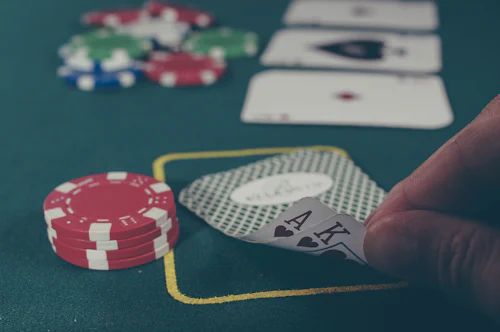
If you are playing in a group or with friends, remember to be inclusive and aware of the dynamics at play. Ensuring that everyone feels involved in conversations and decision-making can create a more enjoyable experience for your entire party. Keep the focus on the game and the enjoyment of playing together to enhance the evening.
Handling Money and Transactions
Money management is crucial when enjoying a night out at the casino. It’s not just about how much you’re willing to spend but also about how you conduct yourself during transactions. When cashing in chips or participating in games, it’s polite to handle money smoothly and discreetly. This helps maintain the flow of the game and keeps other players from being distracted by delays or confusion.
Additionally, tipping dealers and staff can be an integral part of casino etiquette. A tip can show appreciation for good service, and while it’s not mandatory, it is a gesture that encourages friendly service. A common practice is to tip a percentage of your winnings or a small amount periodically, depending on your comfort level and the level of service provided.
Moreover, when it comes to cashing out or redeeming your chips, do so in an organized manner. Waiting until the end of a game session before cashing out allows the game to flow without interruptions and shows respect for your fellow players. Clear and courteous communication during these transactions can greatly improve everyone’s experience at the casino.
Respecting the Game and Staff
Respect for the game and its staff is paramount in any casino environment. Dealers and staff work hard to ensure that the games run smoothly and that players enjoy their experience. It’s essential to treat them with respect, understanding that they are doing their best to enforce the rules and keep the games fair. Disputes over rules or winnings should be addressed calmly and politely, ideally in a private manner rather than in front of other patrons.

Additionally, players should be aware of the house rules, which can vary from casino to casino. Familiarizing yourself with these rules can help prevent misunderstandings and ensures that everyone can enjoy their time without conflict. If there’s ever any confusion regarding a rule, the staff is there to clarify, and doing so respectfully can prevent any negative interaction.
Moreover, being patient during peak times is crucial. Casinos can become crowded, and waiting for your turn at a table or when cashing out can be part of the experience. Staying calm and composed not only reflects your character but also contributes to a more enjoyable atmosphere for everyone present.
Online Casino Etiquette
As online casinos have grown, so has the need for etiquette in the virtual realm. Just because you’re not physically present doesn’t mean good manners should be overlooked. Engaging with other players in chat features requires a level of respect and courtesy similar to that of in-person interactions. Being respectful in your communication fosters a positive gaming community and enhances everyone’s experience.
Additionally, understanding the rules and nuances of online games is equally important. Take the time to familiarize yourself with the game mechanics, as this avoids frustrating fellow players who may be waiting for you to catch up. If it’s a live dealer game, interacting positively with the dealer and fellow players can elevate the experience, making it more enjoyable and engaging.
Moreover, managing your betting and gaming behavior online is crucial. Avoiding excessive gambling and knowing your limits signals respect for the game and your fellow players. Maintaining a balance between enjoyment and responsibility is what sets a good player apart from one who may cause discomfort to the community.